Brad Pitt’s Health, Fitness at 60+ & the “Old Wine” Persona in F1 — A Case Study in Aging Powerfully

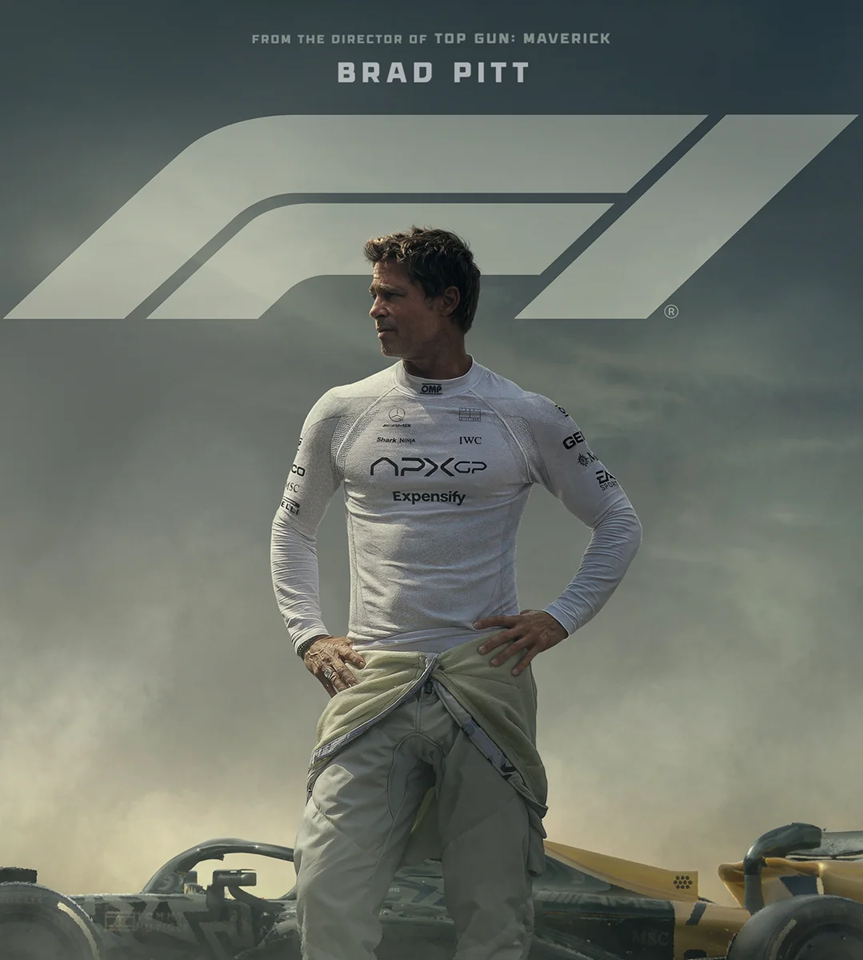
Brad Pitt’s current phase is not about reinvention — it’s about optimization.
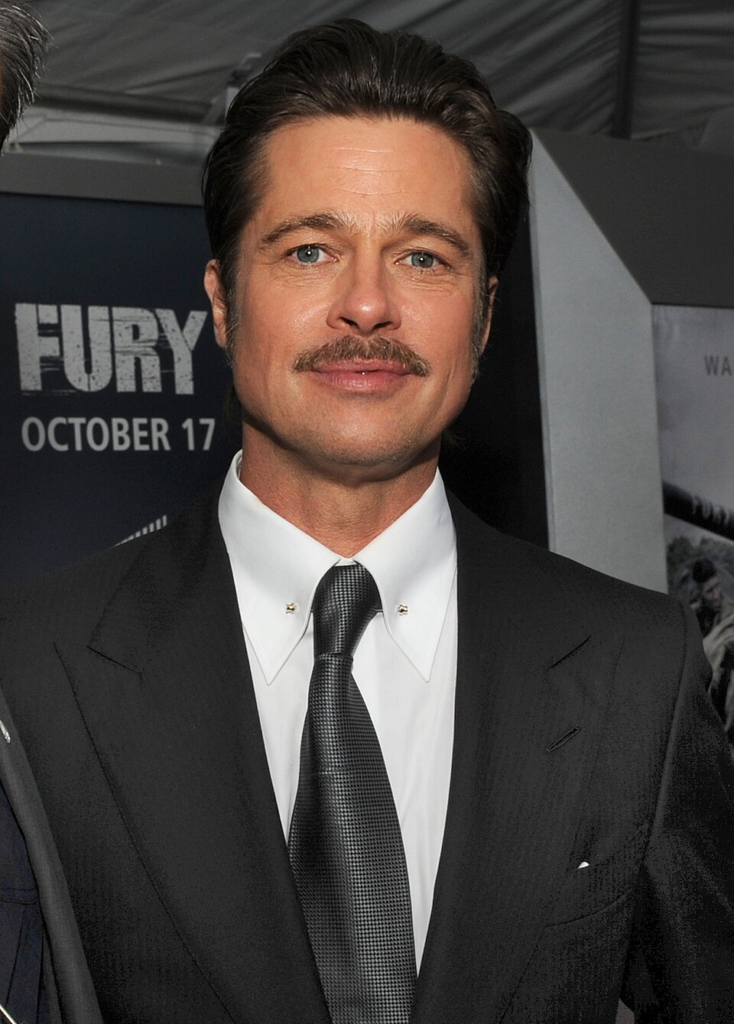
At 60+, his health, fitness, and on-screen presence represent what modern longevity looks like when discipline meets self-awareness. His role in F1 only amplifies this reality, positioning Pitt as a textbook example of aging with performance, not decline.
Unlike earlier decades when Hollywood rewarded visible muscle mass, Brad Pitt’s health focus today aligns with longevity science rather than cosmetic fitness.
Also liked ❤️
- India Crush Netherlands in High-Voltage T20 Clash – Dominant Win Strengthens World Cup Campaign
- Bears vs Rams: Rams Edge Past Bears in a Thrilling Overtime Playoff Battle
- World’s Most Unhealthy Jobs: A Full-Day Experience That Leads to Obesity, Fatty Liver & Heart Disease
- Brad Pitt’s Health, Fitness at 60+ & the “Old Wine” Persona in F1 — A Case Study in Aging Powerfully
- Mansa Musa: The King Whose Wealth Makes Today’s Billionaires Look Small
“From Personal Collapse to Peak Control: Brad Pitt’s Health, Fitness at 60+ and His F1 Role”
Brad Pitt’s health and fitness at 60+ are the outcome of lived experience, long-term discipline, and informed lifestyle decisions rather than temporary motivation or cosmetic transformation.
After a difficult and widely discussed period around 2016, Pitt openly acknowledged personal instability and made deliberate changes that reshaped his physical and mental well-being, most notably eliminating alcohol and introducing structured, predictable routines into his daily life.
From a health and performance perspective, these changes support measurable improvements in sleep quality, metabolic efficiency, emotional regulation, and physical recovery—factors consistently identified as critical for sustaining fitness beyond the age of 50.
His approach reflects a shift from intensity-driven habits to consistency-based living, aligning with established longevity principles where sustainable routines protect muscle mass, joint health, and cognitive function over time.
By reducing personal volatility and work overload, Pitt also minimized chronic stress, a scientifically recognized contributor to accelerated aging and long-term health decline.
This quieter, controlled lifestyle is visible in his present physical presence—calm posture, stable energy, and endurance without strain—qualities that translate convincingly on screen in F1.
The fitness required for the film was not achieved through short-term preparation but emerged as a by-product of years of accountability, restraint, and routine, reinforcing the idea that credible health achievements at this stage of life are built through informed choices and consistency rather than spectacle or extremes.
Key pillars of his health approach:
- Alcohol-free lifestyle since 2016 (major metabolic and cognitive benefits)
- Stable circadian rhythm (sleep consistency over extreme schedules)
- Stress regulation through reduced work overload and selective roles
- Mental health prioritization via accountability and recovery systems
From a physiological standpoint, removing alcohol alone improves:
- Testosterone balance
- Muscle recovery
- Cardiovascular health
- Cognitive sharpness
This directly supports sustainable fitness beyond 60.
Fitness Strategy at This Age: Maintenance + Performance: Brad Pitt’s Health
Brad Pitt’s fitness is not about growth — it’s about preservation and function.
At 60+, muscle loss (sarcopenia) becomes a real threat. Pitt’s visible conditioning suggests a program centered on:
- Resistance training to preserve lean muscle
- Core stabilization (critical for driving performance in F1)
- Low-impact cardio for endurance
- Mobility-focused training to protect joints
For F1, these elements were non-negotiable. Driving high-speed single-seater cars subjects the body to:
- High G-forces
- Core fatigue
- Neck and spinal stress
- Dehydration and mental exhaustion
This makes Pitt’s physical credibility in the film one of its strongest assets.
Life Incident That Changed Everything: 2016 as the Reset Point: Brad Pitt’s Health
From an analytical lens, Brad Pitt’s post-2016 period marks a behavioral pivot.
The divorce and subsequent self-admitted breakdown forced a systemic change:
- He replaced avoidance with structure
- Addiction with routine
- Ego with responsibility
Joining a recovery program introduced process-driven living, which directly translates into better health outcomes.
This phase explains why Pitt’s current energy feels calm, not chaotic.
F1: Why This Role Works So Well for Him
In F1, Pitt plays a veteran driver — a role that requires credibility through restraint.
His performance succeeds because:
- His body language reflects experience, not bravado
- His reactions are measured, not impulsive
- His physical presence supports the narrative of endurance
This alignment between actor and character is rare — F1 as a career-defining mature performance, not just another sports drama.
The “Old Wine” Effect: Style as a Byproduct of Stability
Brad Pitt’s current style is not curated for trends — it’s identity-driven.
From an image analysis perspective:
- Neutral palettes reduce visual noise
- Tailored but relaxed fits signal confidence
- Grey hair adds perceived authority rather than age penalty
In branding terms, Pitt has shifted from “leading man” to legacy icon — a higher-value position in long-term public perception.
Why Brad Pitt Is a Blueprint for Men Over 40 & 50
From a health and lifestyle standpoint, Pitt ranks high as a role model archetype because:
- His fitness is realistic
- His aging is transparent
- His success is cumulative, not explosive
He represents sustainable masculinity, a topic increasingly searched and consumed globally.
Conclusion
Brad Pitt at 60+ is not surviving age — he is using it as leverage.
Through disciplined health choices, functional fitness, and emotionally intelligent living, his role in F1 feels less like acting and more like an extension of who he has become.
Like old wine, his value today lies in:
- Depth
- Control
- Consistency
And that’s why this phase of his career may be his strongest yet.