I Visited Japan’s Tsunami Memorial Town: The Place Where a 40-Meter Wave Changed Everything
“Inspired by a journey documented by Ajay Pandey”
When most people think about Japan, they imagine Tokyo’s neon lights, bullet trains, anime culture, and breathtaking cherry blossoms. But beyond the modern cities lies a different side of Japan—one shaped by one of the most devastating natural disasters in modern history.
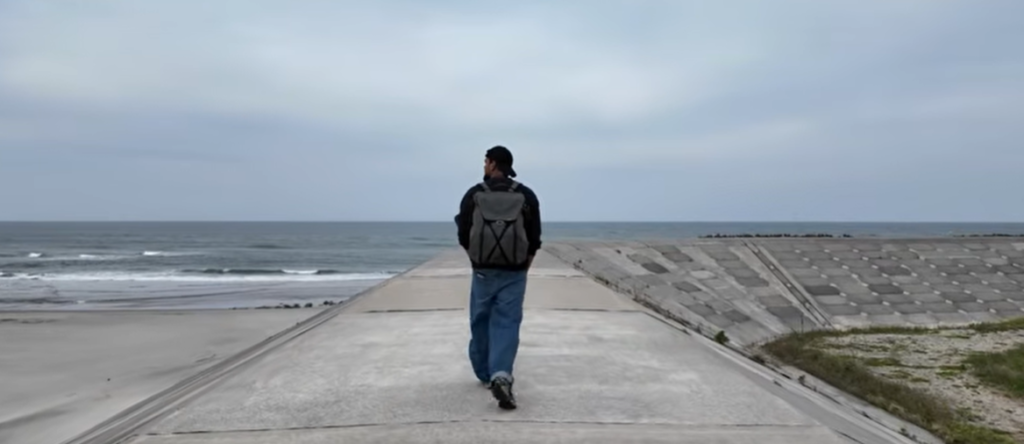
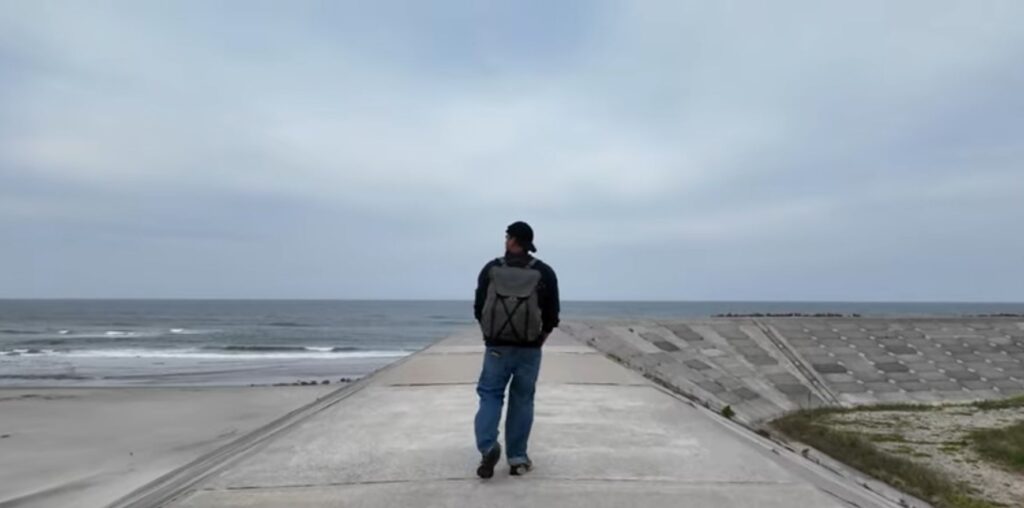
During a recent journey through Japan, I visited a coastal region that still carries the scars of the 2011 tsunami. It wasn’t a tourist attraction in the traditional sense. There were no colorful markets, no famous landmarks, and no crowds of travelers taking selfies.
Instead, there were silent memorials, damaged structures preserved as reminders, and stories that continue to move visitors even today.
The Day Everything Changed
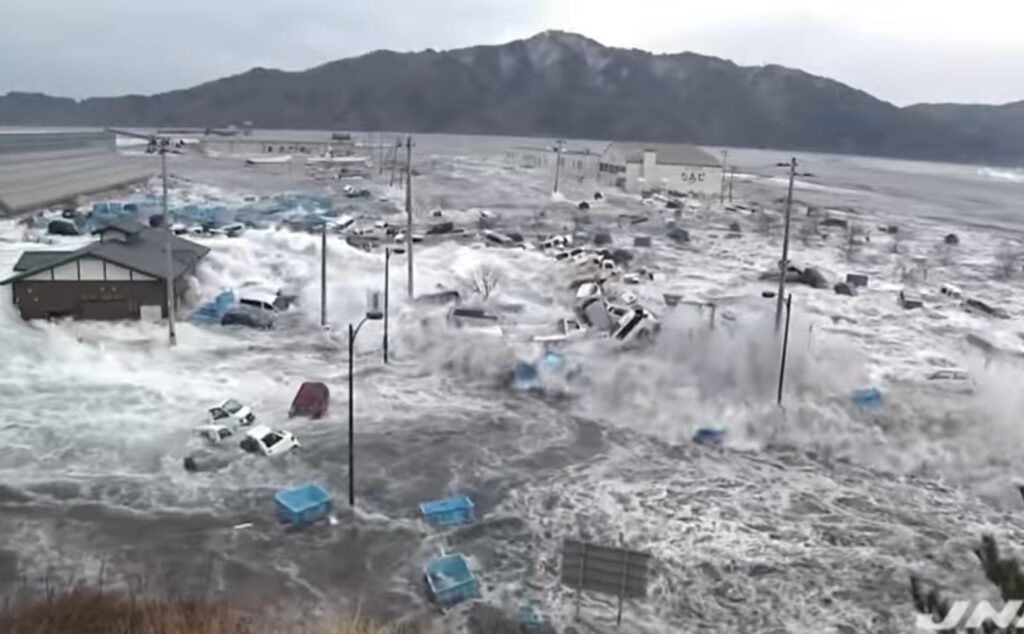
On March 11, 2011, a massive earthquake struck off the eastern coast of Japan. The earthquake itself was among the strongest ever recorded in the country. But what followed was even more terrifying.
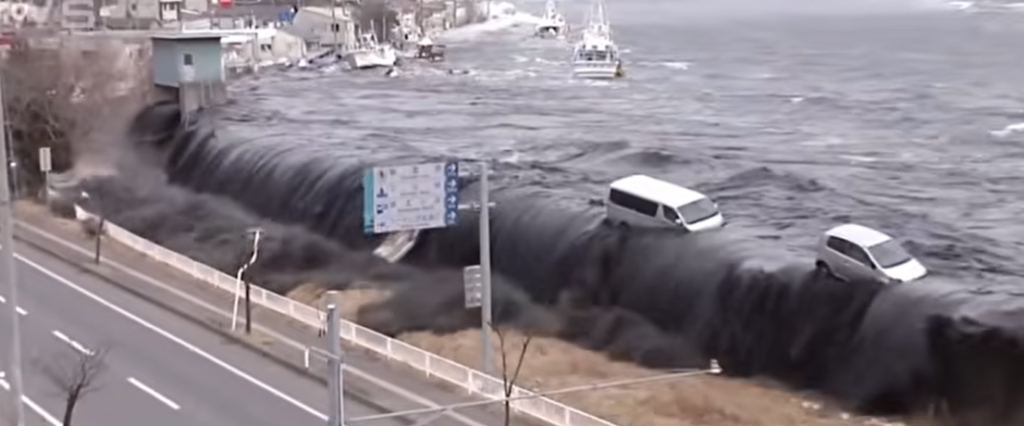
A gigantic tsunami raced toward the coastline. In some locations, the waves exceeded 40 meters in height. Entire neighborhoods disappeared within minutes. Cars, homes, schools, and businesses were swept away by the force of the water.
Thousands of lives were lost, and countless families were changed forever.
At the time, many people around the world watched the disaster through television screens. For younger viewers, including students who were still in school, it was difficult to understand the true scale of what had happened.
Years later, standing in the affected region tells a completely different story.

Walking Through History
One of the most emotional parts of the journey was seeing buildings that have been intentionally preserved.
These structures are not maintained as tourist attractions. They exist as reminders.
Broken concrete walls, twisted metal, and abandoned remains show just how powerful the tsunami was. Looking at them in person makes it difficult to imagine that entire communities once lived normal lives here.
The silence is unforgettable.
Unlike museums that rely on photographs, these buildings are real evidence of what nature can do within minutes.
The Story of the School
Among the most heartbreaking stories from the disaster is that of a local school affected by the tsunami.
Many children and teachers were caught in the tragedy when the waves reached the area. Today, the location stands as a powerful memorial to those who lost their lives.
Visitors walk through exhibits, read personal stories, and learn how crucial emergency decisions can become during natural disasters.
The site is not designed to shock people. Instead, it teaches an important lesson: preparation can save lives.
For many travelers, this becomes the most emotional stop of the entire journey.
Japan’s Approach to Remembering
What makes Japan unique is how the country preserves these memories.
Rather than hiding the destruction, many affected communities chose to document it. Museums, memorial centers, educational exhibits, and preserved structures help future generations understand what happened.
Visitors can see maps showing how far the water traveled inland, watch survivor testimonies, and learn how evacuation systems have improved since the disaster.
The goal is simple: never forget.
More Than a Travel Destination
Travel is often associated with beautiful landscapes and happy memories.
But some journeys teach something deeper.
Visiting a tsunami memorial town in Japan is not about entertainment. It is about understanding resilience, human strength, and the importance of disaster preparedness.
The people who rebuilt their communities after losing everything demonstrate an extraordinary level of courage.
Their stories transform a simple trip into a meaningful experience.
What Travelers Can Learn
Many visitors leave with a new appreciation for emergency planning, community support, and the value of life itself.
The preserved ruins remind us that technology and modern infrastructure cannot completely eliminate the power of nature.
At the same time, they show how determination and collective effort can help communities recover from unimaginable loss.
Ajay Pandey The inspiration for this story
The inspiration for this story comes from travel creator Ajay Pandey, an Indian YouTuber known for sharing life, culture, and travel experiences from Japan. Having spent years living and working in the country, Ajay often explores aspects of Japan that most tourists never get to see. In one of his recent journeys, he visited a region deeply connected to the 2011 tsunami disaster, offering viewers a firsthand look at the memorial sites, preserved buildings, and stories that continue to shape modern Japan.
Read more: signs you have BRAINROT: every growth seeking people know about this