Can you buy things with Bitcoin in El Salvador”
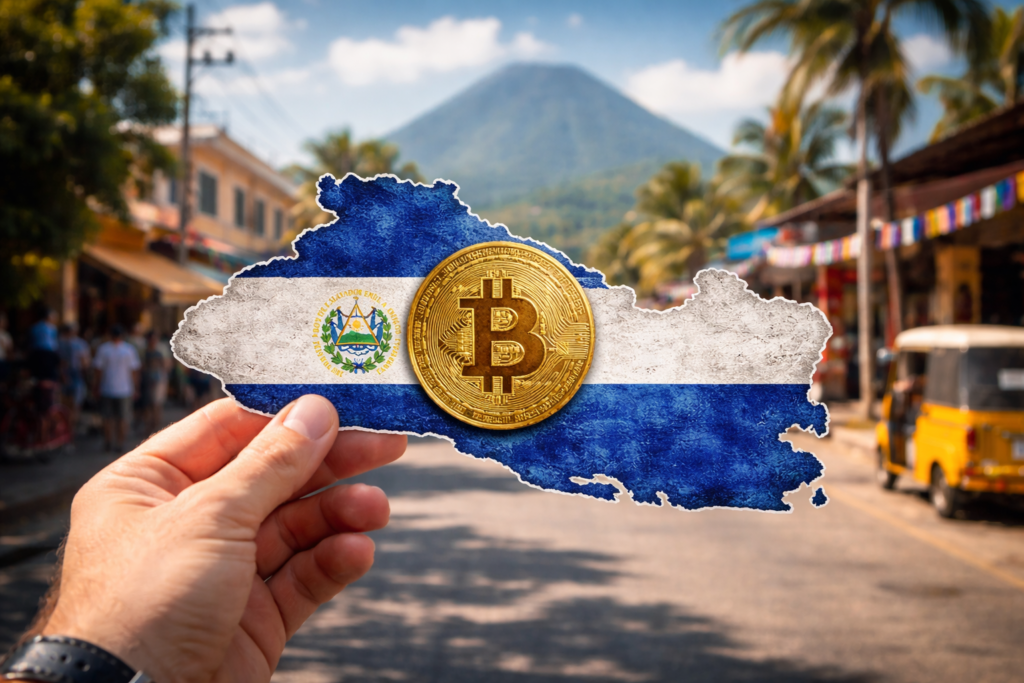
In El Salvador, people can legally use Bitcoin to buy everyday items like food, coffee, and even pay for services. Many shops, especially in tourist areas, accept Bitcoin through mobile wallets. However, real usage still varies, as some locals prefer cash due to price volatility and limited understanding. The government also introduced the Chivo wallet to encourage adoption. Overall, Bitcoin works in practice—but not as smoothly everywhere as expected.
In fact, many tourists frequently ask, can you buy things with Bitcoin in El Salvador” to enhance their travel experience.
Many wonder, can you buy things with Bitcoin in El Salvador”? This question highlights the growing acceptance and interest in cryptocurrency.
The idea was simple but bold—give people a new way to use money without depending completely on banks. In a country where many people don’t even have bank accounts, Bitcoin was seen as a shortcut to financial inclusion. The government even launched its own digital wallet to make things easier for everyday users.
Another big reason was money coming from abroad. Many families in El Salvador depend on relatives working in other countries. Bitcoin promised faster and cheaper transfers compared to traditional systems.
But the reality hasn’t been perfect. Bitcoin’s price goes up and down a lot, which makes people unsure about using it daily. Some adopted it out of curiosity, while others still prefer cash.
Still, the move made one thing clear—El Salvador was willing to take a risk and try something completely different. Whether it turns out to be a long-term success or not, it has already changed how the world looks at cryptocurrency.
The decision by El Salvador wasn’t just about following a trend or doing something flashy. It was, in many ways, a calculated and somewhat risky attempt to solve real problems the country has faced for years.
One of the biggest motivations was financial inclusion. A large portion of the population in El Salvador doesn’t have access to traditional banking. For many people, opening or maintaining a bank account simply isn’t practical. By adopting Bitcoin, the government was essentially betting on mobile technology—hoping that a smartphone could do what banks had failed to do for decades: give people direct control over their money.
Another important factor was remittance. The country relies heavily on money sent home by citizens working abroad. These transfers often come with high fees and delays when handled through traditional financial channels. Bitcoin, at least in theory, offered a faster and cheaper alternative, allowing families to receive more of what was actually sent to them.
There was also a broader ambition at play. By making such a bold move, El Salvador positioned itself on the global stage as a forward-thinking, experimental economy. It sent a clear message to investors and tech companies that the country was open to innovation, even if it meant stepping into uncertain territory.
And then there’s the quieter, less discussed angle—reducing dependence on the U.S. dollar. Since El Salvador already uses the dollar as its primary currency, introducing Bitcoin created at least a possibility, however small, of diversifying that reliance.
In the end, this wasn’t a perfect plan, and it certainly wasn’t without controversy. But it was a deliberate attempt to rethink how money works in a modern, digital world—something many countries have talked about, but very few have actually tried.