The Richest Man in Babylon Review: Ancient Money Rules That Still Work Today
Why This Book Still Matters
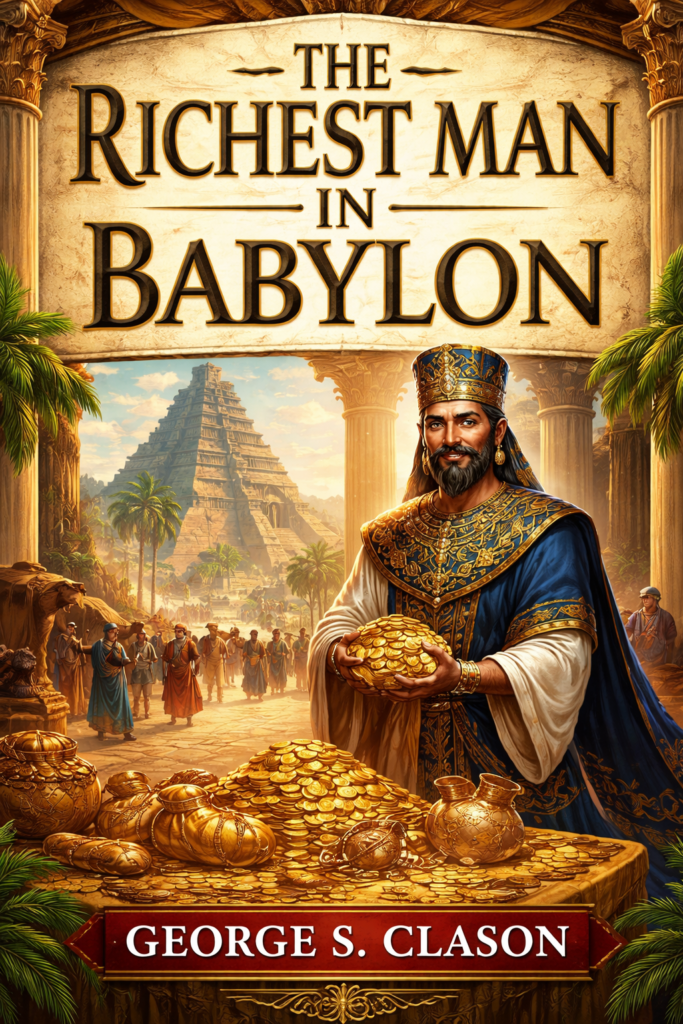
In a world obsessed with fast money, side hustles, and overnight success, it’s surprising that a book written nearly a century ago still feels more practical than most modern finance advice.
The Richest Man in Babylon by George S. Clason isn’t just a finance book—it’s a timeless guide to understanding how money actually works.
But the real question is:
Is it still worth reading today, or is it just outdated advice wrapped in old stories?
Let’s break it down.
What the Book is About (Without Spoilers)
Instead of giving boring financial theory, the book uses short stories set in ancient Babylon to explain money concepts.
The central character, Arkad, starts as a poor man and becomes the richest in the city—not through luck, but through simple financial habits.
Each chapter feels like a lesson disguised as a story. And that’s exactly what makes it powerful.
Core Lessons That Hit Different
1. Pay Yourself First (The Rule Most People Ignore)
The book’s most famous rule is simple:
Save at least 10% of everything you earn.
It sounds basic—but that’s the problem. Most people know this, yet don’t follow it.
Why it works today:
- Builds discipline
- Creates long-term wealth foundation
- Works even with small income
2. Control Your Expenses (Not Your Dreams)
The book clearly separates needs vs desires.
Modern reality?
- Subscriptions
- Impulse shopping
- Lifestyle pressure
The lesson:
Just because you can afford something doesn’t mean you should buy it.
3. Make Your Money Work for You
Saving is just step one.
The book emphasizes:
- Investing wisely
- Avoiding quick-profit traps
- Growing wealth over time
In today’s terms:
- SIPs
- Stocks
- Long-term assets
4. Protect Your Wealth (Underrated but Powerful)
One bad decision can destroy years of savings.
The book warns against:
- Taking advice from inexperienced people
- Chasing unrealistic returns
This is especially relevant today with:
- Online “get rich quick” schemes
- Influencer-driven investments
What Makes This Book Unique?
Unlike modern finance books full of jargon, this one feels:
- Simple
- Relatable
- Story-driven
You don’t feel like you’re studying—you feel like you’re listening to wisdom passed down through generations.
Pros and Cons (Honest Review)
✅ Pros
- Easy to understand (even for beginners)
- Timeless financial principles
- Story format keeps you engaged
- Practical advice you can apply immediately
❌ Cons
- Old-style language (can feel slow at times)
- No modern examples (you have to translate lessons yourself)
- Repetitive in some parts
Is It Still Relevant in 2026?
Absolutely—maybe more than ever.
Today’s problems:
- Debt culture
- Instant gratification
- Lack of financial discipline
This book solves all three with simple rules.
The tools have changed, but the principles haven’t.
Who Should Read This Book?
This book is perfect for:
- Beginners in personal finance
- Students who want money discipline early
- Anyone struggling to save money
- People tired of complicated financial advice
🚀 Final Verdict: Should You Read It?
If you’re expecting advanced investment strategies, this is not the book.
But if you want a strong foundation for building wealth, this is one of the best starting points.
Simple, powerful, and timeless.
The Richest Man in Babylon — Rating & Review
📊 Overall Rating: 8.5 / 10
Book Overview
The Richest Man in Babylon by George S. Clason is a classic personal finance book that uses simple stories set in ancient Babylon to teach money management.
It focuses on timeless principles like saving, investing, and financial discipline—delivered through easy-to-understand parables.
Story Blooper (A Fun Moment from Babylon)
Imagine this…
Arkad, the richest man in Babylon, is giving financial advice to his friends. Everyone is listening seriously, expecting some complex secret to wealth.
But instead, he says something so simple that it almost sounds like a joke:
👉 “Keep a part of everything you earn.”
For a moment, people are confused.
One friend probably thinks:
“That’s it? That’s your big secret?”
Another might be thinking:
“If it was that easy, why isn’t everyone rich?”
And that’s the funny part…
The rule isn’t complicated—
people just don’t follow it.